
CCTRIS November 2025 Newsletter
Trials & Triumph: Clinical Research Chronicles
Welcome Message
Welcome to the November 2025 edition of Trials and Triumph: Clinical Research Chronicles. This month, we reflect on the importance of collaboration, shared learning, and professional growth in strengthening research systems across Africa. From welcoming global partners to celebrating remarkable academic achievements within our team, November has been a month that demonstrates the power of people and partnerships in advancing high-quality clinical research.
We hope this edition offers insight, inspiration, and a deeper appreciation of the collective work shaping the future of clinical trials and maternal health research.
Deputy Director, Implementation Science, CCTRIS-UNILAG
Global Collaboration in Clinical Trials: Why It Matters Now More Than Ever
Clinical research has always depended on strong partnerships, but in today's world of rapidly evolving health challenges, global collaboration is not just beneficial; it is essential. As diseases transcend borders and health systems face similar pressures, collaborative clinical trials offer a powerful pathway for generating evidence that is rigorous, inclusive, and impactful.
At the heart of effective collaboration is the ability to harmonise diverse strengths. High-income countries often bring advanced trial infrastructure and long-standing methodological expertise, while low and middle-income countries contribute unique population insights, contextual understanding, and on-the-ground realities that make research globally relevant. Together, these strengths create evidence that better reflects the world's populations, especially those historically underrepresented in clinical studies.
Yet collaboration is more than shared work; it is shared vision. It demands trust, mutual respect, transparent communication, and a commitment to scientific integrity. When done well, it leads to innovations that no single institution could achieve alone: stronger trial designs, more efficient recruitment strategies, improved data systems, and research outcomes that are more meaningful for local and global health.
For Africa, global partnerships provide an important opportunity to accelerate capacity building, strengthen research ecosystems, and ensure the continent plays a central role in shaping the future of clinical science. As trial methodologies advance, these collaborations help bridge expertise, empower local investigators, and anchor research leadership where it matters most, closer to the communities the research intends to serve.
Global collaboration is not merely a strategy; it is the future of impactful, equitable clinical research.
November at CCTRIS: Partnership in Action
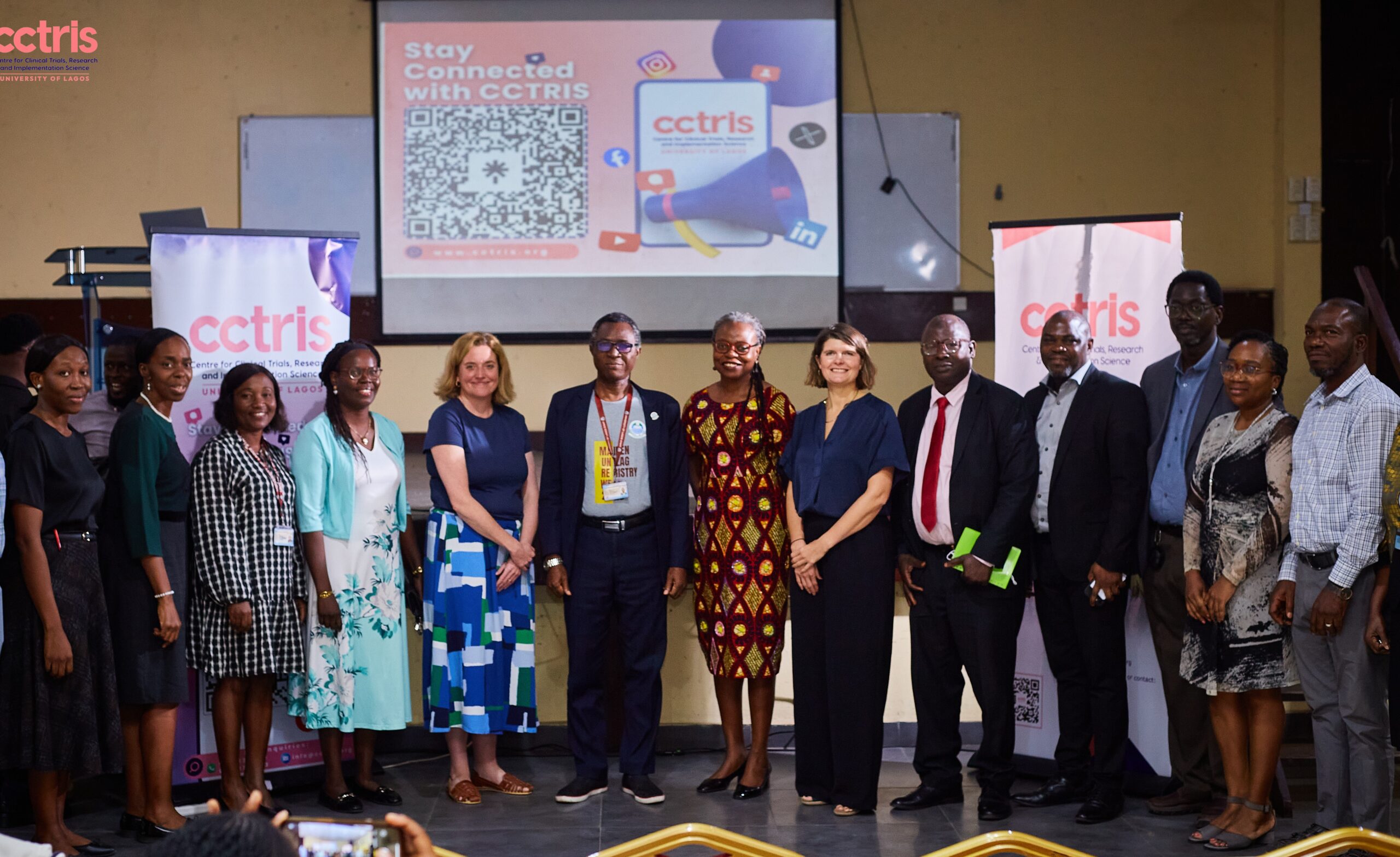
This month, we welcomed two distinguished colleagues from the Nottingham Clinical Trials Unit (NCTU), University of Nottingham (UK): Prof. Kate Walker and Prof. Eleanor Mitchell. Their visit exemplified the principles of global collaboration, creating a rich platform for shared learning, cross-country dialogue, and exploration of best practices in clinical trials.
Their engagements included:
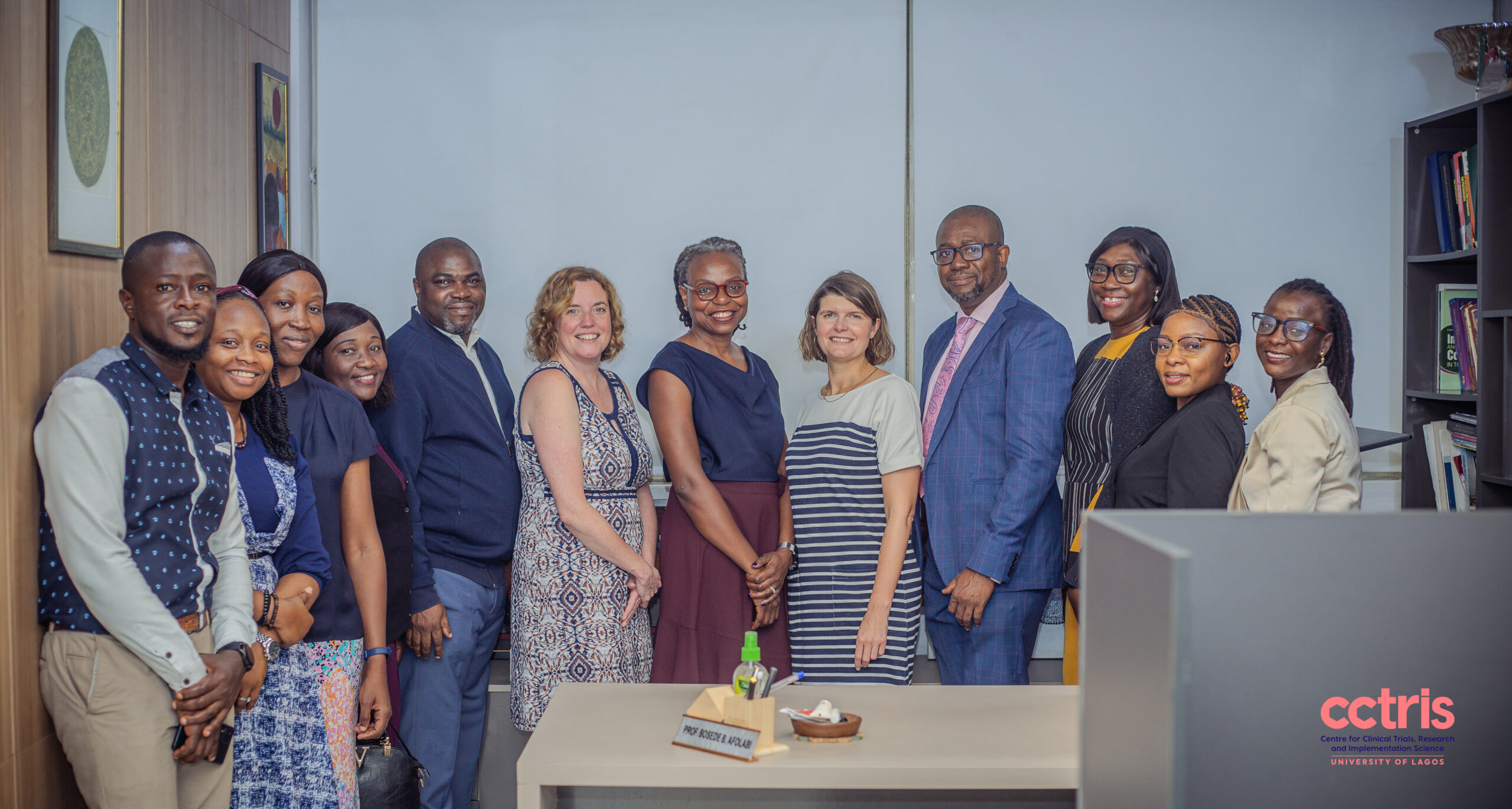
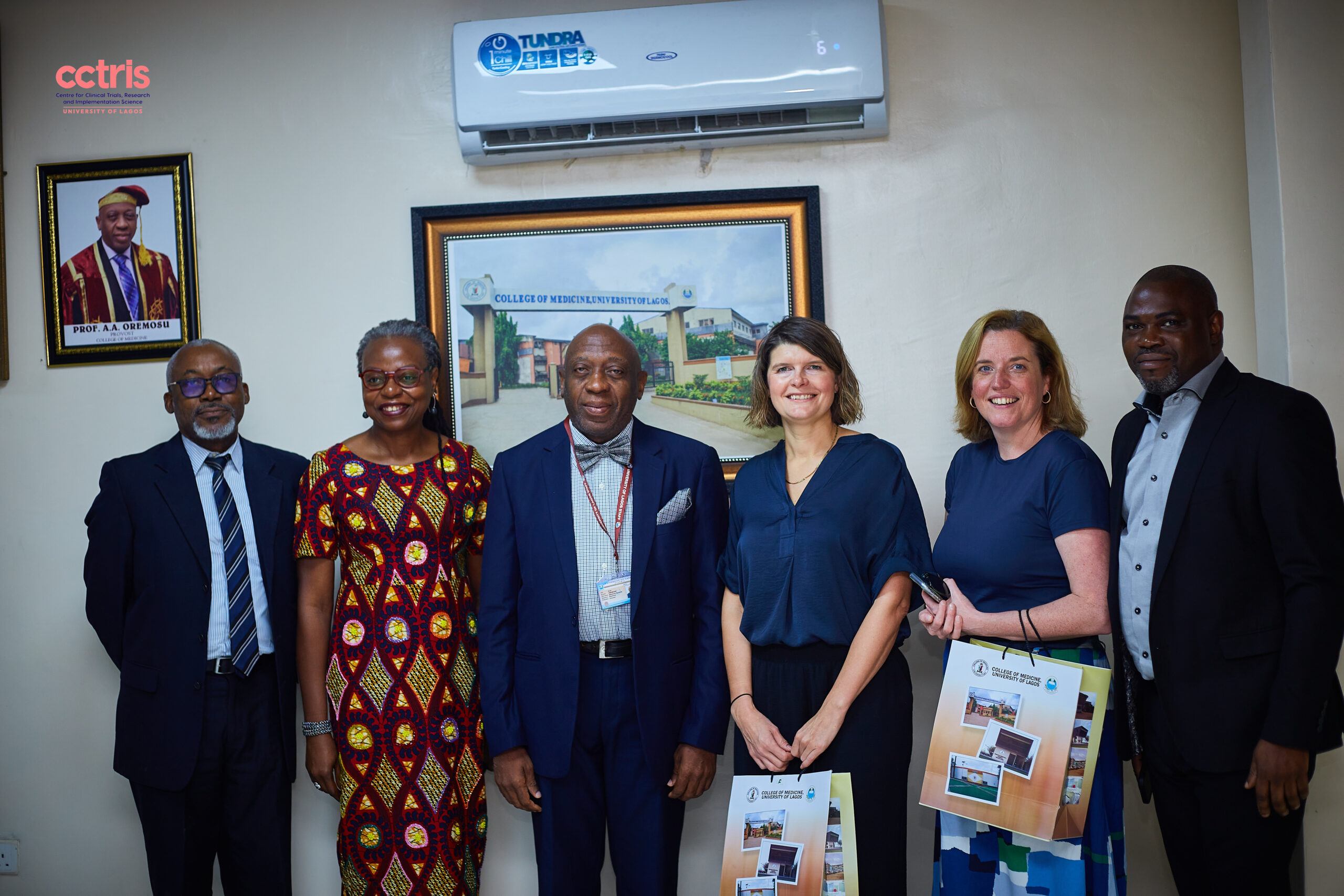
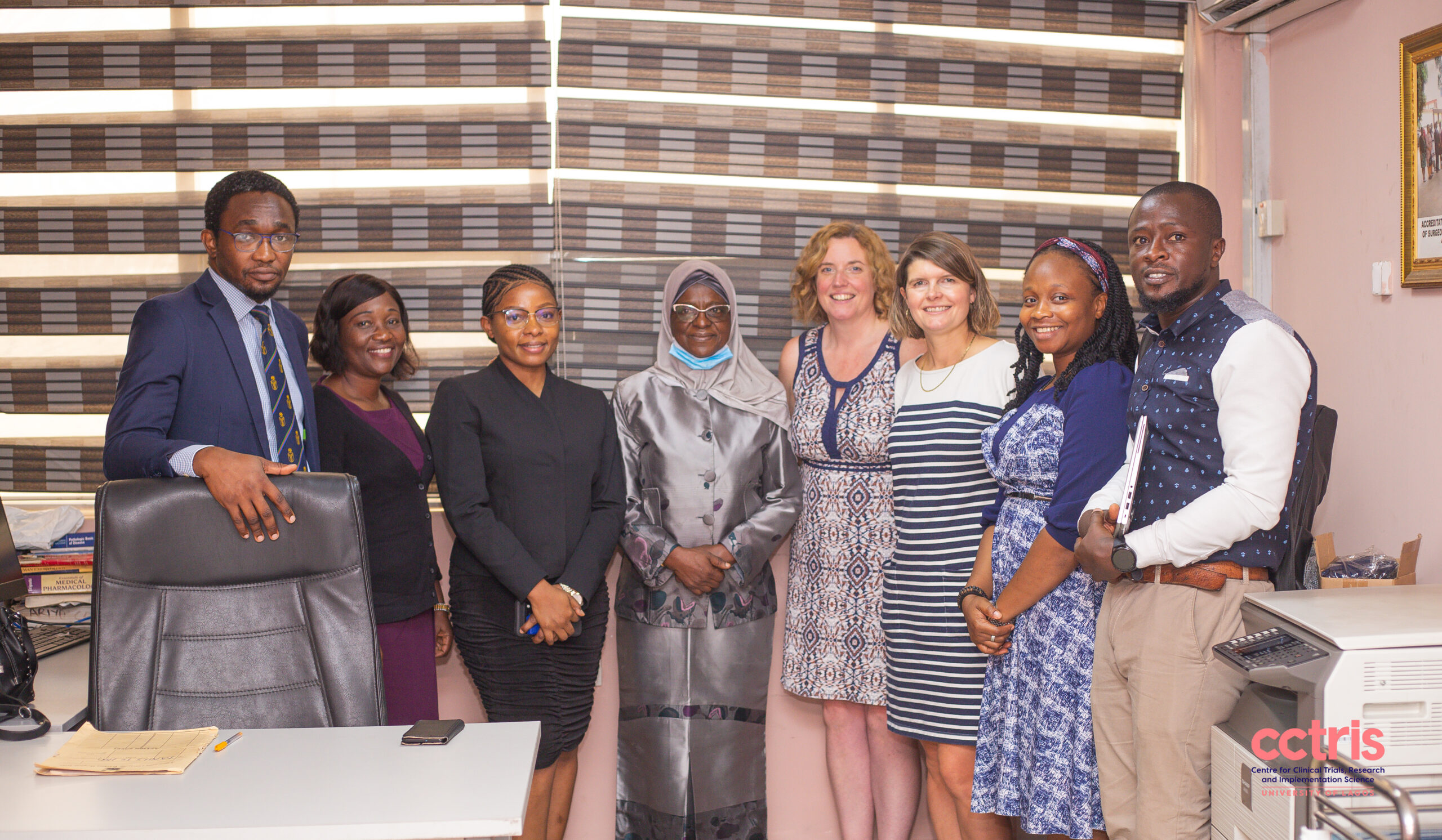
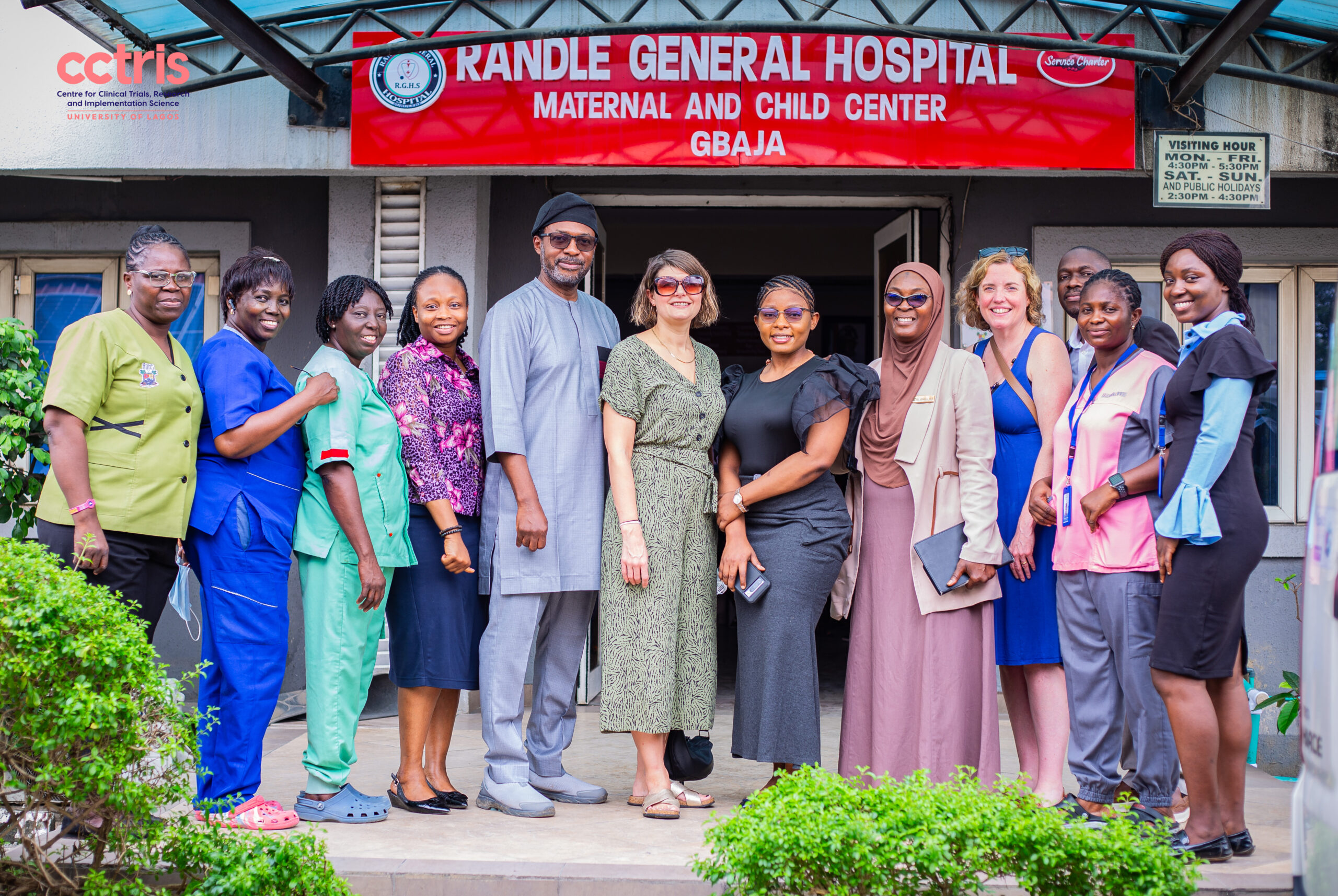
The highlight of their visit was their lecture during our Academic Seminar, where they delivered an insightful session titled: "Designing and Managing Clinical Trials in 2025."
They explored forward-looking approaches to trial design, ethics, operational efficiency, adaptive methodologies, data systems, and strategies to ensure trials remain patient-centered and globally relevant. Their insights reinforced what we know: that when expertise from different contexts converges, the result is research that is stronger, more equitable, and more capable of addressing the health challenges facing our world.
Full academic seminar now available on YouTube: https://youtu.be/cHmMHjR5G_U?si=L5BlcQRKdQKZfv_J
CCTRIS at SOGON 59th Scientific Conference: Advancing Reproductive Health Evidence for the SDGs
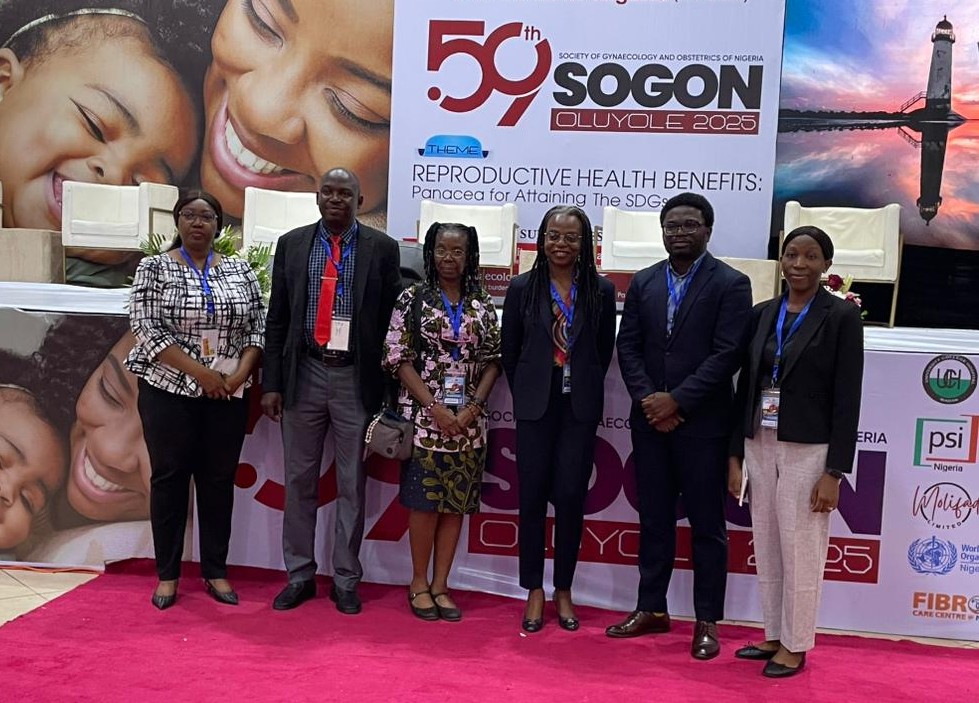
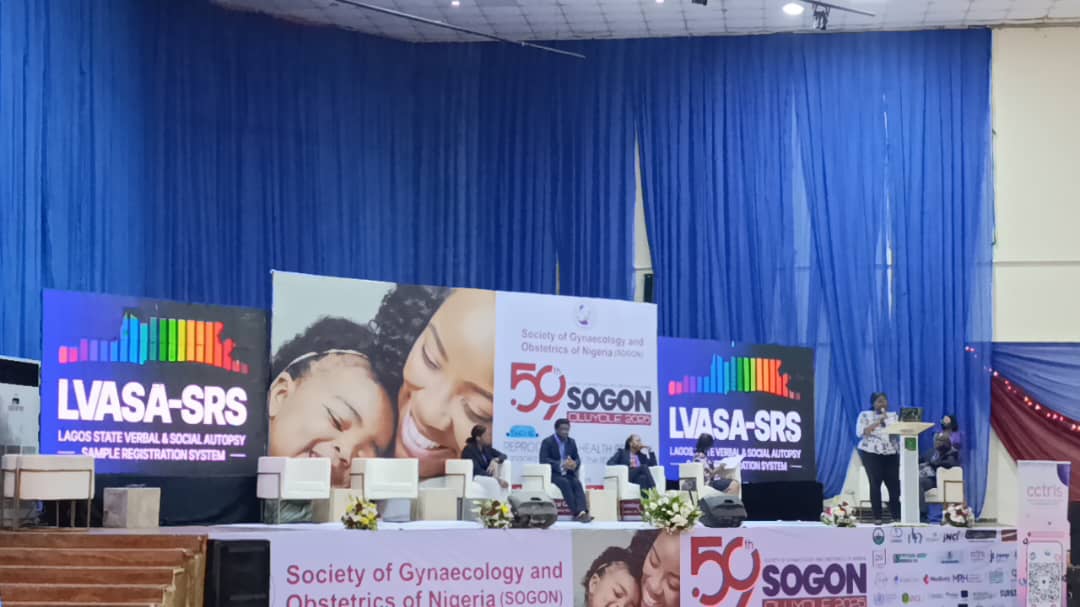
CCTRIS delivered a high-level plenary session at the 59th Annual General Meeting and Scientific Conference of the Society of Gynaecology and Obstetrics of Nigeria (SOGON) held at the International Conference Centre, Eleyele, Ibadan from 24th to 28th of November 2025. Under the theme "Reproductive Health Benefits: Panacea for Attaining the SDGs," our team presented the centre's journey, research portfolio, and commitment to closing Nigeria's research-to-policy gap.
The plenary was structured around three key themes: CCTRIS' history and institutional partnerships, an overview of our current research activities, and the centre's demonstrated impact on guideline development and policy.
Key presentations included:
1. The IVON-PP Trial: Evidence That Transforms Practice
Dr. Olawunmi Adaramoye presented findings from the landmark IVON-PP trial, which enrolled 1,056 postpartum women across 20 sites. The trial demonstrated that intravenous ferric carboxymaltose (FCM) is significantly more effective than standard oral iron therapy for treating moderate to severe postpartum anaemia, achieving anaemia correction in just 2.3 weeks compared to 5.7 weeks with oral treatment. This evidence is already informing new protocols for postpartum care across Nigeria.
2. Cost-Effectiveness Analysis: Making Evidence Actionable
Prof Banke-Thomas presented the economic evaluation showing that FCM, while more costly, achieves better health outcomes at $1,196.06 per DALY averted, well below Nigeria's cost-effectiveness threshold. The analysis identified clear pathways for equitable access: price negotiation, local pharmaceutical manufacturing, and integration into the National Health Insurance Scheme and Essential Medicine List.
3. From Data to Policy Action: The LVASA-SRS Model
Dr. Brenda Isikikpei presented the Lagos State Verbal and Social Autopsy Sample Registration System (LVASA-SRS), a Gates Foundation-funded initiative generating the first direct household estimates of maternal mortality in Lagos. The study, spanning 127,039 households across all 20 LGAs, identified an MMR of 833 per 100,000 live births and established the first-ever LGA-level maternal mortality data. Critically, this research is now embedded into Lagos State's routine monitoring, with digital dashboards integrated into MPDSR cycles and a clear sustainability pathway for state ownership.
These presentations are testaments to CCTRIS's commitment to closing Nigeria's research-to-policy gap, generating not just evidence, but actionable solutions that translate into better maternal and newborn health outcomes.
Inside CCTRIS—Team Bonding & Culture
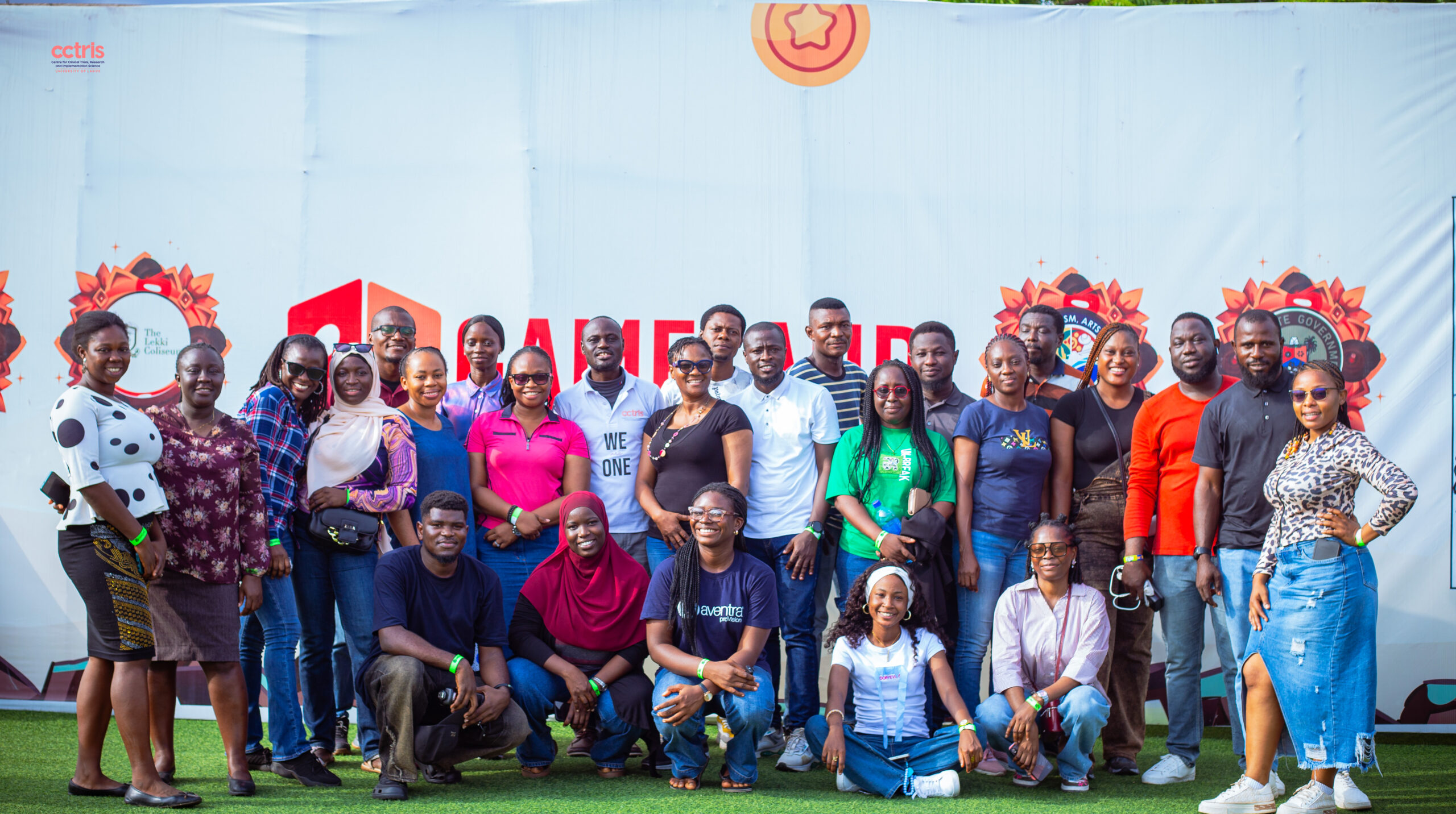
At CCTRIS, our strength lies not just in our science but in the people behind it. This month, we hosted a vibrant Team Bonding Session, where members came together for an afternoon of games, fun, laughter, and shared experiences.
It was a refreshing reminder that thriving teams produce better research. When we invest in connection, collaboration, and collective wellbeing, we create the environment where innovation flourishes.
Work hard, play harder and grow together.
Did You Know?
💡 Did you know? Only 1.1% of global clinical trials in 2023 were conducted in Africa—despite Africa carrying 20% of the global disease burden.
This massive evidence gap is precisely why international collaborations like our partnership with the Nottingham Clinical Trials Unit, and locally-led research like LVASA-SRS, are critical to building equitable research infrastructure that serves those who need it most.
Stay Connected with CCTRIS
Website: www.cctris.org